
What is Okinawa?(沖縄)
沖縄県(県庁所在地:那覇市)
Okinawa (Capital: Naha)
かつて琉球王国という独立した国だった歴史を持ち、独自の文化や言語、風習が色濃く残っています。約160の島々からなる日本最南端の県で、エメラルドグリーンの海と白い砂浜、一年中暖かい亜熱帯の気候が特徴です。「美ら海(ちゅらうみ)」と呼ばれる豊かな自然に囲まれた、日本屈指のリゾート地です。
Okinawa has a history of once being an independent country called the "Ryukyu Kingdom," and its unique culture, language, and customs remain strong today. It is Japan's southernmost prefecture, consisting of about 160 islands. It features emerald green seas, white sandy beaches, and a warm subtropical climate all year round. Surrounded by rich nature called "Churaumi" (beautiful sea), it is one of Japan's leading resort areas.


食 - Food

沖縄そば(ソーキそば): 沖縄で最初に食べるべきもの。小麦粉100%の麺(そば粉は使わない)が特徴で、三枚肉(豚バラ)やソーキ(スペアリブ)をのせ、紅生姜とコーレーグース(島唐辛子の泡盛漬け)を添えて食べるのが定番です。
Okinawa Soba: The first thing to try in Okinawa. These noodles are made of 100% wheat flour (no buckwheat). Usually, they are topped with "Sanmai-niku" (pork belly) or "Soki" (pork ribs), and served with red ginger and "Koregusu" (chili peppers soaked in Awamori).

ゴーヤーチャンプルー: 苦味のあるゴーヤー(ニガウリ)と豆腐、豚肉などを炒めた家庭料理。沖縄の長寿を支える健康食として有名です。苦いため食べるのが苦手な人もいます。
Goya Chanpuru: A stir-fry dish with bitter melon (Goya), tofu, and pork. It is famous as a healthy food that supports the longevity of Okinawan people. Some people find it difficult to eat because of its bitter taste.

サーターアンダギー: 沖縄版のドーナツ。外はカリッと、中はしっとりとした甘い揚げ菓子で、お祝い事にも欠かせません。
Sata Andagi: This is an Okinawan-style donut. It is a sweet fried snack that is crunchy on the outside and moist on the inside. It is essential for celebrations.

泡盛: タイ米を原料に黒麹菌を使って造られる蒸留酒。熟成させたものは「古酒(クース)」と呼ばれ、芳醇な香りが楽しめます。 泡盛は、沖縄料理と一緒に楽しむための最高の蒸留酒です。
Awamori: A distilled spirit made from Thai rice using black koji mold. Aged Awamori is called "Kosu," and you can enjoy its rich aroma. Awamori is a great spirit to enjoy with Okinawan food.
特産品・工芸 - Traditional Crafts
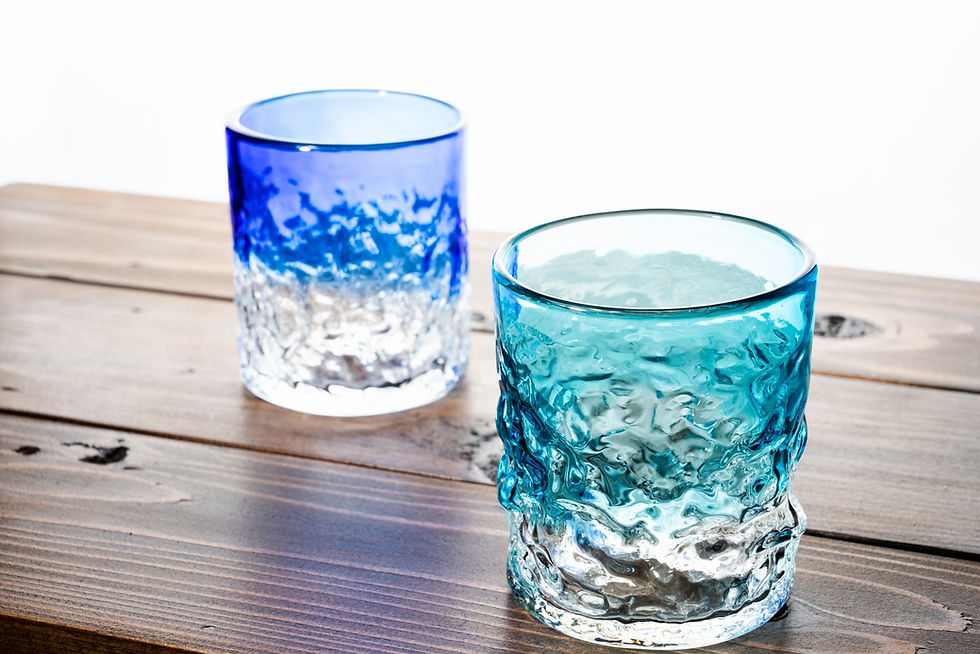
琉球ガラス: 戦後、廃瓶を再利用したことから始まった工芸。独特の気泡や厚み、鮮やかな色彩が、沖縄の太陽や海を連想させます。熟成された泡盛を味わうチャンスを逃さないように!
Ryukyu Glass: This craft began with the recycling of waste bottles after the war. Its unique bubbles, thickness, and vivid colors are reminiscent of the Okinawan sun and sea. Don't miss the chance to taste aged Awamori!
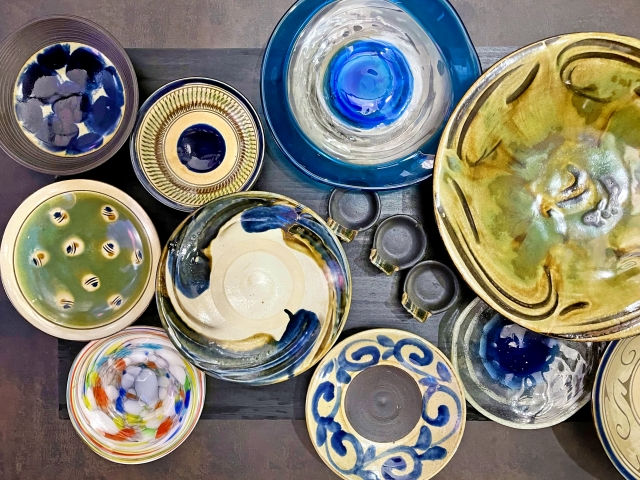
やちむん: 「焼き物」を意味する沖縄の言葉。力強い絵付けと、ぽってりとした厚みが特徴で、日常使いの器として全国的に人気です。 陶器市でお気に入りの柄を見つけるのは楽しいに違いありません。
Yachimun: An Okinawan word meaning "pottery." It features bold painting and a thick, sturdy shape. It is popular nationwide as tableware for daily use. It must be fun to find your favorite pattern at the pottery market.

紅型(びんがた): 琉球王国時代から続く染物。鮮やかな赤、黄、青などの色使いと、南国特有の自然をモチーフにした模様が美しい伝統衣装です。
Bingata: A traditional dyeing technique dating back to the Ryukyu Kingdom era. It is a beautiful craft featuring vivid colors like red, yellow, and blue, with patterns inspired by subtropical nature.
名所 - Famous Places

首里城公園: 琉球王国の政治、外交、文化の中心地。首里城は琉球の歴史を学ぶのにベストな場所です。鮮やかな朱色の建物は、中国と日本の築城文化が融合した独特の様式です。
Shuri Castle Park: The center of politics, diplomacy, and culture of the Ryukyu Kingdom. Shuri Castle is the best place to learn about Ryukyuan history. The bright vermilion buildings feature a unique style that combines Chinese and Japanese castle-building cultures.

沖縄美ら海水族館: 巨大水槽「黒潮の海」で泳ぐジンベエザメやナンヨウマンタが圧巻。沖縄の豊かな海洋生態系を間近に体感できます。
Okinawa Churaumi Aquarium: The sight of whale sharks and manta rays swimming in the massive "Kuroshio Sea" tank is breathtaking. You can experience Okinawa's rich marine ecosystem up close.

国際通り: 那覇の中心地にある約1.6kmのメインストリート。歩き回るのが楽しい道です。「奇跡の1マイル」と呼ばれ、土産物店やレストランが軒を連ね、活気にあふれています。
Kokusai Dori (International Road): The main street in the center of Naha, about 1.6km long. It is a fun street to walk along. Known as the "Miracle Mile," it is filled with souvenir shops and restaurants and is very lively.

古宇利島(こうりじま): 「恋の島」とも呼ばれる離島。エメラルドグリーンの海の上を走る全長1,960mの古宇利大橋からの絶景は、ドライブコースとして最高です。
Kouri Island: A remote island also known as "Love Island." The view from the 1,960m-long Kouri Bridge, which stretches across the emerald green sea, is a perfect driving route.
お祭り・イベント - Festivals and Events
那覇大綱挽まつり(10月): ギネス世界記録にも認定された世界最大級の綱引き。数万人が巨大な綱を引き合い、平和や繁栄を祈ります。
Naha Great Tug-of-War Festival (October): One of the world's largest tug-of-war events, recognized by Guinness World Records. Tens of thousands of people pull a giant rope to pray for peace and prosperity.

エイサー: お盆の時期に、先祖の霊を送り出すために踊られる伝統芸能。勇壮な太鼓の音と掛け声が響き渡り、県内各地で熱い演舞が繰り広げられます。
Eisa: A traditional performing art performed during the Obon season to see off the spirits of ancestors. The brave sounds of drums and shouts echo throughout the prefecture.
English Grammar Point!
今回のトピックは
不定詞(ふていし)
◇不定詞って?
「to + 動詞の原形」の形で、動詞に「〜すること」「〜するための」「〜するために」という新しい意味を付け加えるルールです。主に3つの使い方(用法)があります。
|
◇どうやって使うの?
to + 動詞の原形 (toの後ろは必ず動詞の元の形!)
*to の後ろに過去形(wentなど)や 三単現のsがついた形(playsなど)は置かないのがポイント!
◇例文チェック
私は沖縄そばを食べることが好きです。
I like to eat Okinawa Soba.
⇛ 「食べること」 (名詞的用法)
沖縄には訪れるべき場所がたくさんあります。
There are many places to visit in Okinawa.
⇛ 「訪れるべき」(形容詞的用法)
私はジンベエザメを見るために水族館へ行きました。
I went to the aquarium to see whale sharks.
⇛ 「見るために」(副詞的用法)
◇間違い探しに挑戦!正しい文に書き直そう。
(なぜ間違っているのか、ルールに当てはめて考えてみましょう。)
Q1. 私は泳ぐことが好きです。
I like to swimming.
Q2. 何か飲むものが欲しいです。
I want something to drank.
Q3. 私はお土産を買うために国際通りへ行きました。
I went to Kokusai Dori buy souvenirs.
<答え・解説>
Q1. ❌ I like to swimming. ✅ I like to swim.
⇛ 不定詞の to の後は必ず動詞の原形。-ingをつけるのは動名詞のルールと混ざっているので注意です。
Q2. ❌ I want something to drank. ✅ I want something to drink.
⇛ to の後は過去形の drank ではなく、原形の drink に戻します。
Q3. ❌ I went to Kokusai Dori buy souvenirs. ✅ I went to Kokusai Dori to buy souvenirs.
⇛ 「〜するために」(目的)を言いたいときは、動詞の前に to を忘れないようにしよう。