
What is the Shikoku area?

The Shikoku area is one of the eight regions of Japan. It is separated from Honshu by the Seto Inland Sea to the north. The region is composed of four prefectures. Shikoku is situated southwest of Japan's main island, Honshu, and east of Kyushu. It is separated from Honshu by the Seto Inland Sea to the north.


Prefectures: The region is composed of four prefectures;
Ehime (capital: Matsuyama)/Kagawa (capital: Takamatsu)/Kōchi (capital: Kōchi)/Tokushima (capital: Tokushima)
Topography: The island is largely mountainous, which runs east to west, dividing it into a narrow northern coast facing the Seto Inland Sea and a broader southern part facing the Pacific Ocean. The majority of the population and the largest cities are concentrated in the coastal plains, particularly in the north.
Access: Shikoku is connected to Honshu by several major bridges, including the Great Seto Bridge.
Ehime (capital: Matsuyama)
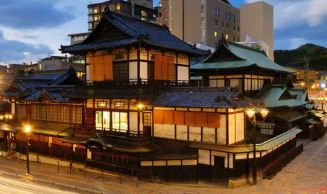
Dōgo Onsen : Said to be Japan's oldest hot spring with a 3,000-year history. Its traditional main bathhouse, the Honkan, is famous for inspiring the bathhouse in Studio Ghibli's Spirited Away.
Mikan (Mandarin Oranges) : The prefecture is the largest producer of mikan in Japan, with numerous varieties cultivated on terraced fields along the coast.

Kagawa (capital: Takamatsu)
Sanuki Udon : Named after the prefecture's former name, Sanuki Province, these thick, wheat flour noodles are famous across Japan for their distinctive firm and chewy (or "koshi") texture. Kagawa has over 600 udon shops and a long tradition of producing high-quality wheat, salt, and iriko (dried sardines) used for the broth.

Kotohira-gū (Konpira-san) : A renowned Shinto shrine dedicated to the god of seafarers. Reaching the main shrine requires a challenging climb of 1,368 stone steps, offering a popular spiritual and physical pilgrimage.

Kōchi (capital: Kōchi)
Katsuo no Tataki (Seared Bonito) : The quintessential Kōchi dish. Thick slices of fresh bonito fish are quickly seared over a straw fire (tataki style) to give the edges a smoky flavor while leaving the inside raw. It is typically served with a slice of raw garlic, green onions, and a citrus-based ponzu sauce.

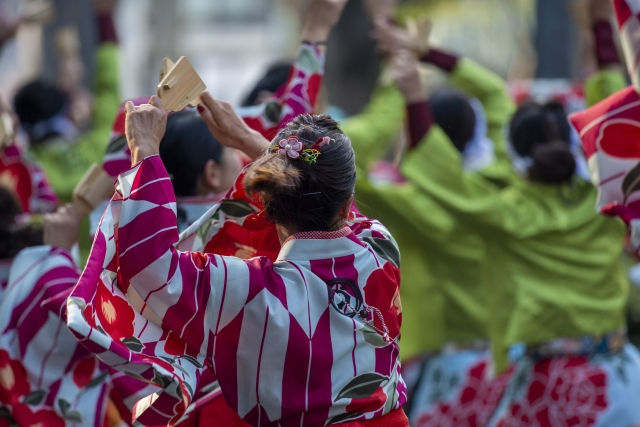
Yosakoi Festival : An energetic, dynamic dance festival held every August, featuring thousands of dancers in colorful costumes and unique naruko (wooden clappers) moving through the streets.
Tokushima (capital: Tokushima)
Awa Odori Festival : Japan's most famous and largest traditional dance festival, held annually from August 12th to 15th in Tokushima City. The chant translates to: "It's a fool who dances and a fool who watches! If both are fools, then you may as well have fun dancing!"

Naruto Whirlpools : Massive tidal whirlpools that form in the Naruto Strait, one of the world's three greatest tidal currents. They can be viewed up close from sightseeing boats or from the Uzu no Michi walkway under the Onaruto Bridge.
